". Bakery Industry Bakery Industry

Gold Spot and the Era of Indian Soft Drink Brands We Lost


gold spot , fotgotten  soft drink brands of india,gold spot  forgotten brand ,  ,


Gold Spot and the Era of Indian Soft Drink Brands We Lost

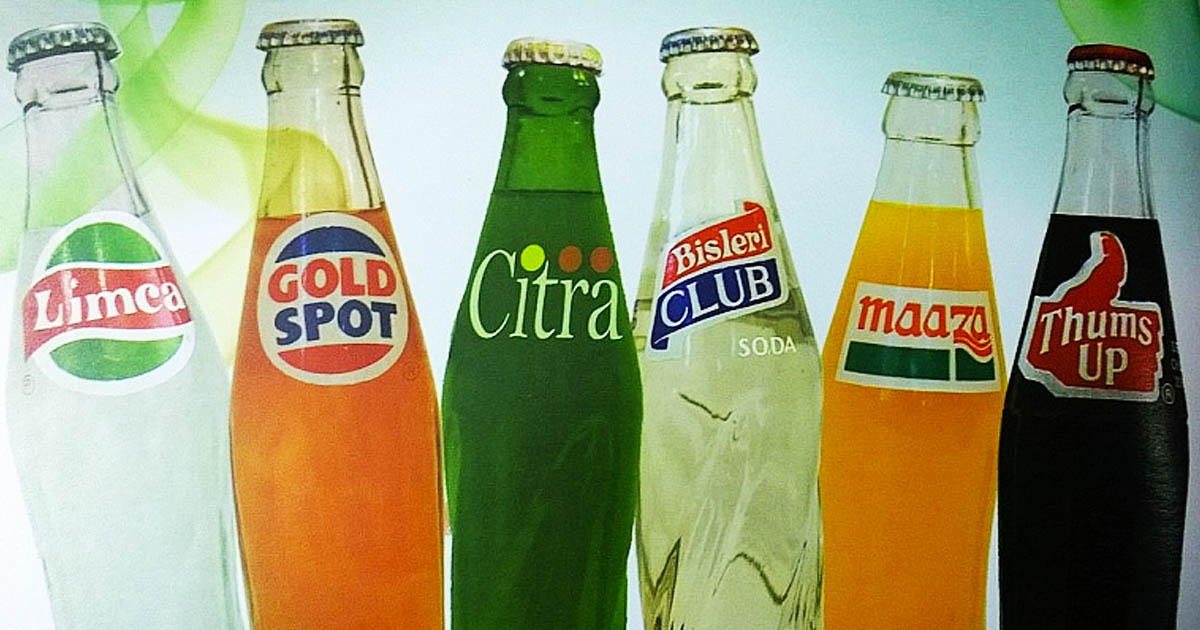
India’s soft drink market has seen dramatic transformations over the last five decades. While today’s shelves are dominated by global beverage giants and a few surviving Indian brands, there was a time when homegrown soft drinks ruled the hearts of consumers. Among them, Gold Spot stands out as a symbol of nostalgia—an orange-flavoured drink that once defined refreshment for an entire generation. This article explores Gold Spot, the broader era of Indian soft drink brands we lost, and the lessons this transition holds for today’s FMCG landscape.


The Golden Age of Indian Soft Drinks

Before economic liberalisation in the 1990s, India’s soft drink market was largely protected and domestically driven. Multinational beverage companies had exited the country in the late 1970s due to regulatory restrictions, creating space for Indian entrepreneurs and companies to innovate and grow.

During this period, Indian consumers were introduced to several iconic soft drink brands—each with its own identity, flavour profile, and loyal customer base. These brands were affordable, locally produced, and deeply embedded in everyday Indian life, from roadside eateries to family celebrations.

Gold Spot emerged as one of the brightest stars of this era.


Gold Spot: A Beloved Orange Icon

Gold Spot was launched in India as a carbonated orange-flavoured drink that quickly gained popularity for its strong citrus taste, bright colour, and cheerful branding. It was fizzy, sweet, and unmistakably Indian in character. For many consumers growing up in the 1970s and 1980s, Gold Spot was not just a drink—it was an experience associated with summer vacations, cinema halls, weddings, and school outings.

What made Gold Spot special was its distinctive flavour—bolder and sweeter than many international orange sodas—and its wide availability across urban and semi-urban India. Glass bottles with crown corks, affordable pricing, and aggressive local distribution helped it build scale rapidly.

At its peak, Gold Spot was a serious contender in the Indian soft drink space.


Liberalisation Changed Everything

The turning point for Indian soft drink brands came with India’s economic liberalisation in 1991. As markets opened up, global players re-entered India with deep pockets, advanced marketing strategies, and strong global brand recall.

Companies like Coca-Cola and Pepsi returned aggressively, bringing with them international brands, celebrity endorsements, and large-scale advertising budgets that local players struggled to match.

Gold Spot, which had come under the umbrella of Coca-Cola after re-entry, faced an uncertain future. Instead of being scaled as a flagship Indian brand, it was gradually sidelined.


Why Gold Spot Disappeared

Gold Spot did not vanish overnight. Its disappearance was gradual and strategic. Several factors contributed to its eventual exit:

1. Brand Portfolio Rationalisation

Coca-Cola already had Fanta, a globally recognised orange-flavoured drink. Maintaining two similar products did not align with global brand strategy, leading to Gold Spot being phased out.

2. Shift Toward Global Brands

Post-liberalisation India saw aspirational consumption. International brands were perceived as modern, premium, and global—making it harder for legacy Indian brands to compete for mindshare.

3. Marketing Muscle Gap

Indian brands that once relied on distribution strength and affordability could not match the advertising blitz, celebrity campaigns, and sports sponsorships of multinational competitors.

4. Changing Consumer Preferences

Over time, consumers gravitated toward standardized flavours and packaging formats promoted heavily through mass media.


Other Indian Soft Drink Brands We Lost

Gold Spot was not alone. Several Indian soft drink brands disappeared during this transition period:

  • Camp Cola – Once a strong Indian alternative to cola beverages

  • Thums Up Lemon – A lesser-known variant that never scaled nationally

  • Limca variants and regional sodas that failed to survive portfolio restructuring

  • Numerous regional orange, lemon, and masala sodas that thrived locally but lacked national backing

Ironically, Thums Up survived—largely because its strong taste profile appealed to Indian palates and it was repositioned successfully as a macho, high-energy brand.


Emotional Connection vs Corporate Strategy

One of the biggest casualties in this era was emotional brand equity. Indian soft drink brands like Gold Spot were built organically, through word-of-mouth and daily consumption. However, corporate strategies prioritised global scalability over local nostalgia.

For consumers, the disappearance of these brands felt personal. Even today, social media posts reminiscing about Gold Spot attract high engagement, proving that emotional recall remains strong decades later.


Lessons for Today’s Indian FMCG and Beverage Brands

The story of Gold Spot offers valuable insights for modern Indian entrepreneurs and FMCG companies:

1. Local Taste Matters

Products deeply rooted in local preferences can build long-term loyalty if nurtured correctly.

2. Indian Brands Need Protection and Vision

Being acquired by a multinational does not always guarantee survival. Clear brand positioning is critical.

3. Nostalgia Is a Powerful Asset

In today’s D2C-driven market, nostalgia-led brand revivals have strong potential—especially with millennials and Gen Z.

4. Don’t Abandon Differentiation

Gold Spot’s bold orange flavour was its strength. Replacing it with standardized global tastes diluted uniqueness.


Could Gold Spot Make a Comeback?

With the rise of craft sodas, heritage brands, and Indian-origin beverage startups, the environment today is far more favourable for nostalgic revivals. Consumers are actively seeking authentic, local, and retro products.

A relaunched Gold Spot—using modern packaging, cleaner labels, and controlled sugar content—could potentially find success in niche and premium markets. Whether or not that happens, the brand remains a powerful reminder of what Indian FMCG once was.


Conclusion

Gold Spot and the era of Indian soft drink brands we lost represent more than discontinued products—they symbolise a shift in India’s economic, cultural, and consumer identity. While globalisation brought choice and scale, it also erased many homegrown brands that had earned deep trust and affection.

As India’s beverage market evolves once again, driven by startups and regional players, the story of Gold Spot serves as both a warning and an inspiration. Some brands may disappear from shelves, but their legacy continues to fizz in collective memory—bright, orange, and unforgettable.

 Also read 

The bakemans  story 

Indian Biscuit Industry - Market Share Data 2025


Here are few  estimated market share data for biscuit industry from reports collected from various industry platform s 

  • Market Share - Sector wise
ORGANISED SECTORUN ORGANISED SECTOR
70%-72%28%-30%
  • Market share penetration- Population wise
URBANRURAL
45%55%

  • Market share - Region wise
NORTH ZONE31%
WEST ZONE23%
EAST ZONE23%
SOUTH ZONE23%

  • Market share- Brands wise (volume )
Britannia - 38%  
Parle - 32%
Others  - 30% ( itc ,priyagold,unibic, cremica , dukes , biskfarm , anmol )

  • Market Share – product wise
Marie and Glucose40%
sweet, crackers , cream ,milk60%

  • Market  Growth   CAGR  -  6%- 8%

Biscoff Biscuits Launched In India


1. Official Biscoff Launch in India

  • Mondelez India launched Lotus Biscoff biscuits, marking the iconic Belgian cookie’s official entry into the Indian market through a strategic partnership with Lotus Bakeries. The rollout includes local manufacturing, marketing, and distribution across retail and online channels. Storyboard18+1

🇮🇳 2. ‘Make in India’ Production & Accessible Pricing

  • The brand’s entry price point starts from ₹10, making the previously imported premium cookie accessible to mass consumers as well as urban markets. The launch spans multiple pack sizes to cover mass-premium segments. Storyboard18+1

📈 3. Strategic Market Ambitions

  • Lotus Bakeries and Mondelez executives highlighted that India could become one of Biscoff’s top global markets, reinforcing India’s importance in the brand’s growth strategy. Indian Retailer

🎤 4. Marketing and Launch Campaigns

  • At launch events and interviews, Mondelez India’s leadership emphasized a strong push into India’s snacking and premium biscuit space, positioning Biscoff as a major contender alongside established players. ImpactOnNet

5. Continued Brand Collaborations

  • Tim Hortons India renewed collaboration with Biscoff in 2025, offering Biscoff-flavored items in cafes and highlighting the brand’s growing cultural presence beyond retail biscuits. Indian Retailer

😂 6. Social Media & Consumer Buzz

  • The ₹10 Biscoff launch sparked major social media buzz and memes, with consumers reacting strongly to the unexpected low-priced entry of a once-premium imported cookie. Indiatimes


Summary:

In 2025, Biscoff transitioned from a niche imported treat to a locally produced and widely distributed cookie in India, with strategic pricing and marketing by Mondelez India that aims to disrupt the competitive biscuit market dominated by traditional players like Britannia, Parle and ITC. The launch also generated notable consumer excitement and brand collaborations within the country.

Benefit of HACCP in bakeries


haccp in bakeries, food safety with haccp , hazards identifications, fsms


HACCP (Hazard Analysis and Critical Control Points) is a system, which identifies specific hazards and preventative measures for their control to minimise the risk of producing defective products and services for the each step of the food chain. HACCP has been adopted by all major food companies and are mandatory for exports to certain countries . Bakery manufacturers would gain by implementing HACCP .


HACCP determines the critical limits in the critical control points (CCPs) in the process and determines the critical limits by monitoring and applying amendatory and inhibiting factors. It is very difficult to determine the source of the fault when there is a problem with the end product in the factories where in HACCP is not applied.


In brief, HACCP is a proactive risk management system that contain all steps of food chain, from raw material manufacturer to end product and analyse possible dangers and guard. In industry, for successful HACCP system, a successful team is required.Pre-requisite programs and Standard Sanitation Operation Procedures (SSOP) are also required for HACCP.

How do we implement HACCP ?
As described its s analysis of hazard in a given environment and declaring critical control points . We start with going through entire process of production right from raw material unloading to finished good dispatch. We take entire inputs and actions in process which might effect process . After that we rank them on a scale of severity .Those which get maximum severity scale are declared critical points hence controls are devised to minimise the impact.

Factors taken could be hazards , impact on brand , legal compliance's , damage to health of consumers, etc . SOP are documented with logs and records for any deviation from standard procedures . Areas are marked numbered and highlighted so that every one knows what is the critical control point .Internal audits and external audits are conducted for compliance.

What Are The Pre-Requisite Programs?
(GAP) Good Agriculture Practice
(GVP) Good Veterinary Practice
(GMP Good Manufacturing Practice
(GHP) Good Hygiene Practice
(GPP) Good Production Practice
(GDP) Good Distribution Practice
(GTP) Good Trade Practice

What Are The Benefits of HACCP?
Preventing possible hazards and supplying safe products
Minimising risks of food poisoning
Making increase consumer confidence
Making increase industry authenticity
Supplying active auto-control system
Minimizing product cost
Maximising advantageous
Making easier marketing
Increasing products’ shelf life
Making solve product problems systematically
Making product export easy, due to it international acceptability.
Increasing food safety and hygiene conscious of food industry stuff.

CCP in bakeries could be : Haccp in bakery industry  have its own features which includes identifying  critical control points  which have significant  impact on the business .Haccp  for  bakery  industry  is the most potent tool in food safety management systems which also includes prp( prerequisite programs ,oprp (operational requisite programs) and ccp's .

Oven burners
Baking temperatures
Storage temperatures 
Metal detectors
Sieves
Filters
Conveyors


ISO 22000 for Bakeries and other Food Industry


iso 22000 , fsms, iso 22000 for bakeries , food safety management system


All those bakeries who have gone for ISO -9000 for their process standardisation and those companies who has got HACCP implemented in their company can have a common system which is termed as ISO 22000. Required  for exports  of your  baked product


FOOD SAFETY MANAGEMENT SYSTEMS CERTIFICATION SCHEME

International Organization for Standardization (ISO) has published ISO 22000:2005 - Food Safety Management Systems – Requirements for any Organization in the Food Chain, with a view to provide framework for internationally harmonized requirements for systematically managing safety in food supply chains. This standard integrates the principles of Hazard Analysis and Critical Control Point (HACCP) system developed by Codex Alimentarius Commission and combines the HACCP plan with Prerequisite Programmes (PRPs) and is fully compatible with Quality Management Systems (QMS) as per ISO 9001: 2000 .


FSMS FOR SAFE FOOD SUPPLY CHAINS

Food Safety is related to the presence of food borne hazards in food at the point of consumption. Food reaches to consumers via supply chains that may link many different types of organizations. One weak link can result in unsafe food that is dangerous to health. As food safety hazards can occur the food chain at any stage, adequate control throughout the supply chain is essential. Therefore food safety is a joint responsibility of all organizations with in the food chain including, producers, manufactures, transport & storage operators, sub contractors, retail and food service outlets and service providers.
Recent studies have shown that there is significant increase of illness caused by infected food in both developed and developing countries which give rise to considerable economic costs besides being health hazards. This has necessitated the need for establishing a food safety management system by all types of organizations within the food chain.

HIGHLIGHTS OF ISO 22000:2005

a) Integrates the principles of Hazards Analysis and Critical Control Point (HACCP) system developed be Codex Alimentarius Commission. It combines the HACCP plan with prerequisite programme (PRPs) and operational PRPs.
b) Requires that all Hazards that may be reasonably expected to occur in the food chain are identified, assessed and controlled.
c) Can be applied independent of other management system standards or can be integrated with existing other management systems.
d) Allows even small, tiny scale organizations to implement as externally developed combination of control measures.
e) Intended for organizations seeking more focused, coherent and integrated food safety management systems.
f) Emphasis on preventions of food safety hazards of all types.
g) Ensures compliance with legislative and regulatory requirements.
h) Provides for management of potential emergency situations & accidents that can impact food safety.


KEY ELEMENTS TO ENSURE FOOD SAFETY

The key elements of FSMS for managing & reducing the risk to health resulting from operations across the food chain to final consumption are:

  •  Interactive Communication;
  • System Management;
  • Prerequisite Programmes;
  • HACCP Principles;

BENEFITS TO CUSTOMERS

  •  Increased international acceptance of food products
  •  Reduces risk of product/service liability claims
  •  Satisfies customer contractual requirements
  •  Ensures safety of food products
  •  Greater health protection
  • Demonstrations conformance to international standards and applicable regulatory requirements
  •  Helps to meet applicable food safety related statuary & regulatory requirements
  •  Ensures to compete effectively in national and international markets


ISO 22000 Standard Procedures for Food Safety Management Systems

Choco Centre Filled Cookiies From ITC - Dark Fantasy

,itc sunfeast ,sunfeast dark fantasy , centre filled  cookies

itc ,itc sunfeast , chocofills, itc chocofills
ITC 's  Brand  Sunfeast has  been aggressive  on  covering all segments  of  biscuit  categories   has  now  launched  Dark  Fantasy   Choco Fills   with  innovative  enrobed biscuits  with  chocolate  fillings inside . ITC  Sunfeast  has  taken  a lead  in  manufacturing  new variants  of  biscuit  in premium  segment of  biscuits . ITC  Choco Fill has attractive  box packaging with  wrapper   for the  primary packaging . Each  box of Choco fills contains six packs  for  biscuits . ITC  has launched  aggressive advertisement and tvc for Dark Fantasy across cities .ITC  has already  launched dual cream biscuits .

This  type of biscuits  were attempted earlier by  Britannia  and Parle  by  their  Date Rolls and Fruit  Rolls  which failed  to  entice  the targeted customers. Lets  see the  impact  of  Choco Fills .

ITC  Plans expansion for Sunfeast Brand
Indian biscuit industry review

Bakerybazar Forays Into Fruit Chocolate Business


Artisan Hand Made Delicious Chocolates


Indulge in the Pure Luxury of Fruit Chocolates

Discover a world where rich, velvety chocolate meets the natural goodness of premium fruits. Our handcrafted fruit chocolates are created to deliver an unforgettable gourmet experience—bursting with freshness, vibrant flavours, and irresistible indulgence in every bite. Each piece is made using high-quality cocoa and carefully selected fruits, ensuring a perfect balance of sweetness, texture, and taste.

Whether you crave the lush notes of strawberry, the tang of orange, or the delightful crunch of exotic fruits, our range offers something for every chocolate lover. These chocolates aren’t just treats—they’re moments of joy, beautifully wrapped and ideal for gifting, celebrations, or your own everyday indulgence.

Elevate your dessert moments with fruit chocolates that look stunning, taste divine, and leave you wanting more. Shop now and experience the elegance, freshness, and flavour that everyone is talking about.


Karnal Milk Food Ltd- A preview

Karnal Milk  Foods Ltd

Overall, Karnal Milk Foods presents a solid blend of certified quality control, broad product range, strong fiscal health, and reliable reputation among consumers and business partners.Karnal Milk Foods Ltd. is a well-established, ISO 22000– and HACCP‑certified dairy manufacturer founded in 1991 in Karnal, Haryana. With a processing capacity of around 600,000 liters per day, it produces a wide portfolio—including skimmed and full-cream milk powder, ghee, butter, paneer, curd, lassi, chaach, and dairy whiteners under its “Karan” and “Milk Rich” brands .


The company holds prestigious certifications—BIS, ISI, and AGMARK—and is a supplier to major FMCG firms like Mother Dairy, Britannia, ITC and various state federations . It also exports products to the Middle East, Africa, and Gulf countries, demonstrating credibility and market reach .


Financially, Karnal Milk Foods has shown strong performance, with FY 2023 revenue growing over 52% year‑on‑year and profit rising by 23%, reflecting healthy business momentum . Publicly listed since 1991, its promoter-pub­lic shareholding is broadly balanced (48:52), and it maintains stable capitalization and clean bills of financial health .


Customer and employee feedback is positive: user reviews highlight the “smooth, rich flavour” and “consistent freshness,” while AmbitionBox rates workplace culture highly (4.7/5) . One satisfied customer noted: *“The milk is incredibly smooth and has a rich flavor … I would definitely recommend giving them a try.”*  


Overall, Karnal Milk Foods presents a solid blend of certified quality control, broad product range, strong fiscal health, and reliable reputation among consumers and business partners.

lk Foods Ltd. is a well-established, ISO 22000– and HACCP‑certified dairy manufacturer founded in 1991 in Karnal, Haryana. With a processing capacity of around 600,000 liters per day, it produces a wide portfolio—including skimmed and full-cream milk powder, ghee, butter, paneer, curd, lassi, chaach, and dairy whiteners under its “Karan” and “Milk Rich” brands  .


The company holds prestigious certifications—BIS, ISI, and AGMARK—and is a supplier to major FMCG firms like Mother Dairy, Britannia, ITC and various state federations  . It also exports products to the Middle East, Africa, and Gulf countries, demonstrating credibility and market reach  .


Financially, Karnal Milk Foods has shown strong performance, with FY 2023 revenue growing over 52% year‑on‑year and profit rising by 23%, reflecting healthy business momentum  . Publicly listed since 1991, its promoter-pub­lic shareholding is broadly balanced (48:52), and it maintains stable capitalization and clean bills of financial health  .


Customer and employee feedback is positive: user reviews highlight the “smooth, rich flavour” and “consistent freshness,” while AmbitionBox rates workplace culture highly (4.7/5)  . One satisfied customer noted: *“The milk is incredibly smooth and has a rich flavor … I would definitely recommend giving them a try.”*  


Overall, Karnal Milk Foods presents a solid blend of certified quality control, broad product range, strong fiscal health, and reliable reputation among consumers and business partners.


Contact

Chintan Sharma

Promotion@karanmilk.com

9996604401

Top 10 Popular Bakery Brands In Russia


 Bread Factory "Khleb Sol" (Хлебный Соль): Known for its traditional Russian bread and pastries, Khleb Sol is widely recognized across Russia.


Kipelov Bakery (Пекарня Кипелова): Kipelov Bakery is renowned for its high-quality bread, cakes, and pastries, serving customers in various cities across Russia.


Bakery "Bulochnaya №5" (Булочная №5): Bulochnaya №5 is a popular bakery chain that offers a wide range of freshly baked goods, including bread, rolls, and cakes.


Bakery "Pekarnya" (Пекарня): Pekarnya is known for its artisanal bread and pastries, often made using traditional Russian recipes and methods.


Kvartal Bakery (Пекарня "Квартал"): Kvartal Bakery specializes in European-style bread and pastries, attracting customers with its diverse selection and quality ingredients.


Korovka Bakery (Пекарня "Коровка"): Korovka Bakery is famous for its delicious cakes, cookies, and pastries, offering a variety of sweet treats to satisfy customers' cravings.


Fornetti Bakery (Форнетти): Fornetti is a well-known bakery chain in Russia, offering a wide assortment of freshly baked goods, including bread, pastries, and sandwiches.


Confael Bakery (Конфаэль): Confael Bakery is recognized for its premium-quality bread and pastries, catering to customers who appreciate artisanal baking techniques.


Tortorella Bakery (Пекарня "Торторелла"): Tortorella Bakery specializes in gourmet cakes and desserts, known for their exquisite flavors and elegant designs.


Bread & Co. (Хлеб & Co.): Bread & Co. is a popular bakery brand in Russia, offering a variety of freshly baked bread, pastries, and sandwiches to its customers.


Please note that the popularity of bakery brands may vary over time and across different regions of Russia.

Britannia vs ITC: A Tale of Two Titans in the Indian Food Industry

In the fiercely competitive landscape of the Indian food industry, Britannia Industries Ltd and ITC Limited stand out as two formidable titans, each commanding a significant share of the market and vying for consumer attention. While both companies have carved out their own niches and built strong brand identities, a closer examination reveals distinct strategies, strengths, and contributions to the culinary landscape of India.

Britannia Industries Ltd:


Britannia, with its rich legacy spanning over a century, has become synonymous with taste, trust, and tradition in Indian households. The company's extensive product portfolio encompasses a wide range of biscuits, cakes, dairy products, and snacks, catering to diverse tastes and preferences across the country. Britannia's unwavering commitment to quality, innovation, and consumer satisfaction has earned it a loyal following and cemented its position as one of India's leading food brands.

Britannia's success can be attributed to its deep-rooted understanding of Indian consumers and their culinary preferences. The company's ability to blend traditional recipes with modern flavors and packaging has resonated with consumers across generations, fostering a sense of nostalgia and familiarity. Britannia's iconic products like Good Day biscuits, Marie Gold ,50-50,MilkBikis , Nice ,Croissant , NutriChoice range, and Treat cakes have become household staples, evoking fond memories and moments of shared joy. Alongwith bakery they are into dairy and croissant business

ITC Limited:


ITC Limited, a diversified conglomerate with interests in various sectors including food, agriculture, and hospitality, has emerged as a dominant player in the Indian food industry. ITC's food division offers a diverse range of products spanning packaged foods, snacks, beverages, and culinary essentials, catering to the evolving tastes and lifestyles of Indian consumers. With a focus on innovation, quality, and sustainability, ITC has established itself as a trusted name in the Indian culinary landscape.

ITC's food division leverages its expertise in agriculture and supply chain management to source high-quality ingredients and produce a wide array of premium food products. From the popular Sunfeast biscuits and Yippee noodles to the innovative Bingo snacks and Fabelle chocolates, ITC's food portfolio reflects its commitment to excellence and consumer satisfaction. The company's emphasis on sustainability and responsible sourcing further underscores its commitment to environmental stewardship and social responsibility.

Points of Distinction:

While Britannia and ITC compete in the same market space, each company brings its own unique strengths and strategies to the table. Britannia's heritage and legacy give it a distinct advantage in terms of brand recognition and consumer trust, while ITC's diversification and innovation capabilities enable it to explore new product categories and markets. Britannia's focus on traditional recipes and flavors resonates with consumers seeking familiar tastes and experiences, while ITC's emphasis on premiumization and culinary innovation appeals to those looking for indulgent and gourmet offerings.

Comparison:

BRITANNIA VS  ITC 
Business

DescriptionBritanniaITC 
Established18961910
Nature of businessPublic ltdPublic ltd 
Turn Over INR4015.00 Crore69480Crore
Market share ( value)38% 11.0 %
Ads Major methodsCricket events and playersTVC 
New areas of promotionHealth and wellness Health and wellness

IMPORTANT BRANDS PITCHED AGAINST EACH OTHER

CategoryBritanniaITC Leader
CookiesGood DayMoms MagicGood Day 
CreamTreat ,Jim JamBounceTreat
GlucoseTigerSunfeast GlucoseParle G 
Chocolate Pure Magic Dark Fantasy Pure Magic 


Popular Traditional Sweets Of Bihar

 Bihar, a land of diverse cultures and rich traditions, is renowned not only for its historical significance but also for its delectable culinary delights. Among the many treasures that Bihar offers to tantalize taste buds, traditional sweets hold a special place. These sweets not only reflect the culinary heritage of the state but also symbolize the warmth and hospitality of its people. Let's delve into the realm of Bihar's popular traditional sweets, each a masterpiece of taste and tradition.


Khaja: A crispy and flaky delight, Khaja stands as one of Bihar's most cherished sweets. It's prepared by deep-frying dough made of flour and sugar, which is then coated with sugar syrup. The layers are intricately woven, creating a texture that is both crunchy and melt-in-your-mouth. Khaja is often enjoyed during festivals and special occasions, making it a quintessential part of Bihar's culinary culture.


khaja
tekua

Tilkut: Tilkut holds a significant place in Bihar's Makar Sankranti celebrations. Made from pounded sesame seeds and jaggery or sugar, Tilkut is not just a sweet treat but also a symbol of auspiciousness and prosperity. The process of making Tilkut involves roasting sesame seeds until they release their aroma, followed by mixing them with jaggery or sugar to form small, delicious balls. The nutty flavor of sesame combined with the sweetness of jaggery makes Tilkut a delightful indulgence.


Anarsa: Anarsa is a traditional sweet that is prepared during festivals like Diwali and Chhath Puja in Bihar. It is made from soaked rice flour, sugar or jaggery, and poppy seeds. The dough is kneaded into a smooth consistency, shaped into small discs, and then deep-fried until golden brown. The result is a crispy exterior with a soft, sweet interior, making Anarsa a favorite among both young and old alike.


Thekua: Another gem from Bihar's culinary repertoire, Thekua is a sweet snack that is synonymous with the Chhath Puja celebrations. Made from wheat flour, jaggery, and ghee, Thekua is shaped into intricate patterns and then deep-fried to perfection. The addition of aromatic spices like cardamom and nutmeg enhances its flavor, making it an irresistible treat during festivities.


Kala Jamun: While Kala Jamun is popular across India, the Bihari version of this sweet delicacy has its own unique twist. Made from khoya (reduced milk solids), sugar, and cardamom, Kala Jamun is deep-fried until it attains a rich, dark color. Unlike its lighter counterpart, Gulab Jamun, Kala Jamun is denser and has a slightly different flavor profile. It is often served during weddings, festivals, and other joyous occasions, adding a touch of sweetness to every celebration.


Belgrami: Belgrami is a traditional Bihari sweet that is made from Bengal gram flour, sugar, and ghee. The gram flour is roasted in ghee until it turns golden brown, and then sugar is added to sweeten the mixture. Once the mixture cools down, it is shaped into small balls and garnished with chopped nuts. Belgrami's rich flavor and nutty texture make it a delightful treat for those with a sweet tooth.


In conclusion, Bihar's traditional sweets are not just culinary delights but also a reflection of its vibrant culture and age-old traditions. From crispy Khaja to indulgent Kala Jamun, each sweet tells a story of heritage and hospitality. So, the next time you find yourself in Bihar, don't forget to treat your taste buds to these irresistible delicacies and experience the essence of Bihari hospitality firsthand.

Visit My Shop

Contact Us - bakerybazar@gmail.com

" Learn all about bakery and chocolates processes,bakery and chocolates equipments and machinery,packaging , bakery iand chocolates ingredients and food safety.Each brand of bakery and chocolate product has its own storyand history behind them to tell .Bakerybazar intends to discover and unravel these stories before you".You can submit for freePress Release,Product Launches ,New Technologies, Company Presentation, New Markets and Distribution Related News, Trade Show ,News Trade Mission Participation, Mergers and Aquisitions ,Financial Reports ,Product Sourcing Activities ,New Hires and other HR news--- any thing related to bakery industry. Write to bakerybazar@gmail.com Contact @ 9310533439,8743098660

Privacy Policy

 
💬 Order on WhatsApp